Steamer ticket
The Captain and Ann BarbaraThe steamer ticket is the hinge on which the entire narrative of Mary Antin's emigration turns. More than a mere travel document, it is the physical embodiment of the family's hopes, the object that converts the distant, dreamlike promise of "America" into a tangible, imminent reality. Its arrival in Polotzk marks the definitive break with the old life, and its subsequent role at the border and on the journey shapes the family's passage into the New World. The ticket is the material proof that the Antins are leaving, the key that unlocks the door to a new identity, and the first of many American objects that will redefine their existence.
The Arrival and Communal Celebration
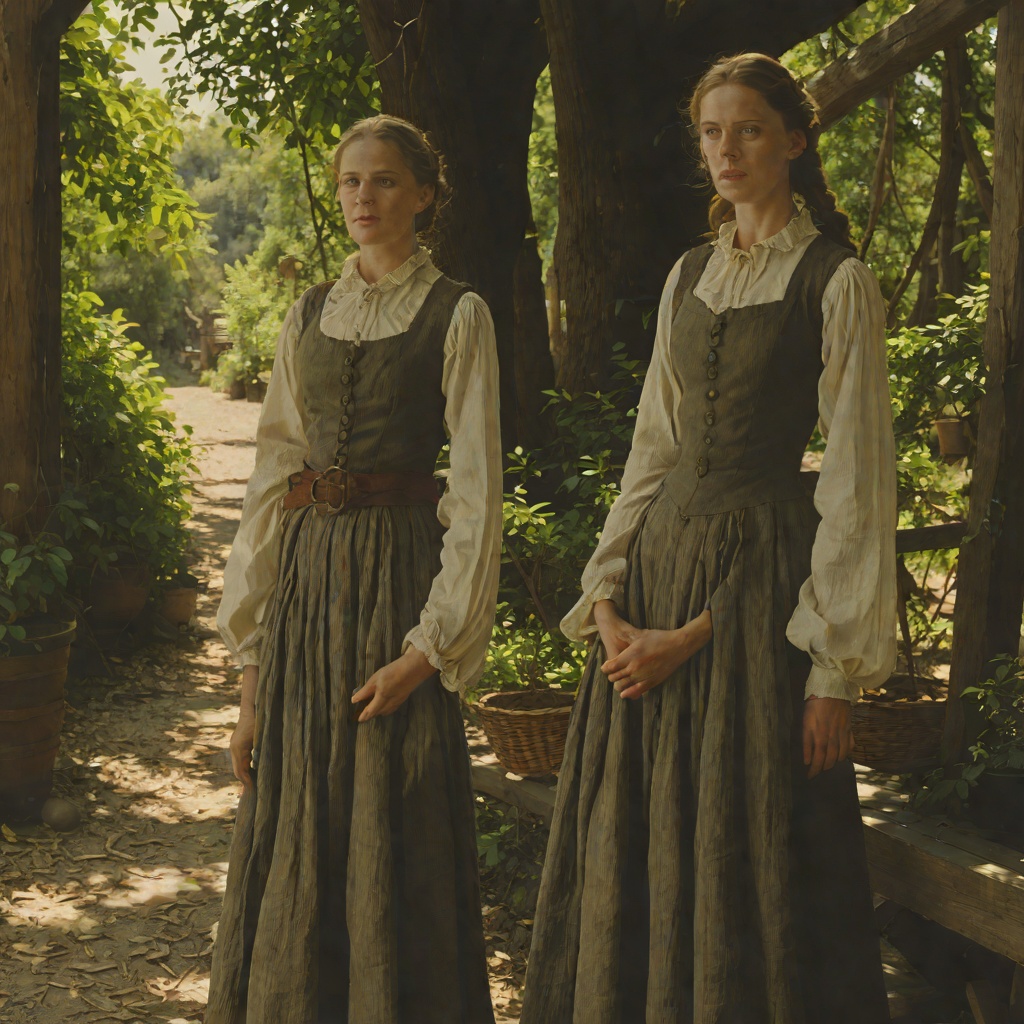
The day the steamer ticket arrived in Polotzk was a day of profound disruption and joy. The household itself seemed to lose its bearings: Mary's mother did not go out with her basket, her brother stayed out of heder, and her sister salted the soup three times. The news that Hannah Hayye had received a steamer ticket for America spread through the city before sunset, and from that moment until the family's departure, a steady stream of visitors poured into their street from every quarter of the city, from both sides of the Dvina, from over the Polota. Friends and foes, distant relatives and new acquaintances, debtors and creditors, all came to witness the miracle. Mary's mother, her faded kerchief halfway off her head and her black ringlets straying, received her guests in a rainbow of smiles and tears, conducting herself as the heroine of Polotzk. She gave her heart's thanks for congratulations, ready tears for condolences, and patient answers to the endless, eager questions of the crowd.
The Ticket as a Symbol of Hope and Anxiety
The ticket was not merely a piece of paper; it was an object of intense fascination and speculation. The visitors wanted to handle it, and they demanded that Mary's mother read what was written on it. They asked how much it cost, whether it was all paid for, and whether the family would have a foreign passport or would have to steal across the border. Practical concerns mingled with superstitious advice: the crowd suggested that Hannah Hayye should make a pilgrimage to a "Good Jew" to get a blessing on the journey, and that she must pack her prayer books, her Bible, and at least twenty pounds of zwieback, fearing that if the ship served trefah, the family would starve. They warned her to sew her money into the lining of her jacket, as the policemen in Castle Garden would take it all from the passengers as they landed. The ticket, in this context, was the symbol of a perilous leap into the unknown, a source of both immense hope and deep anxiety.
The Ticket at the Border: A Near-Fatal Obstacle
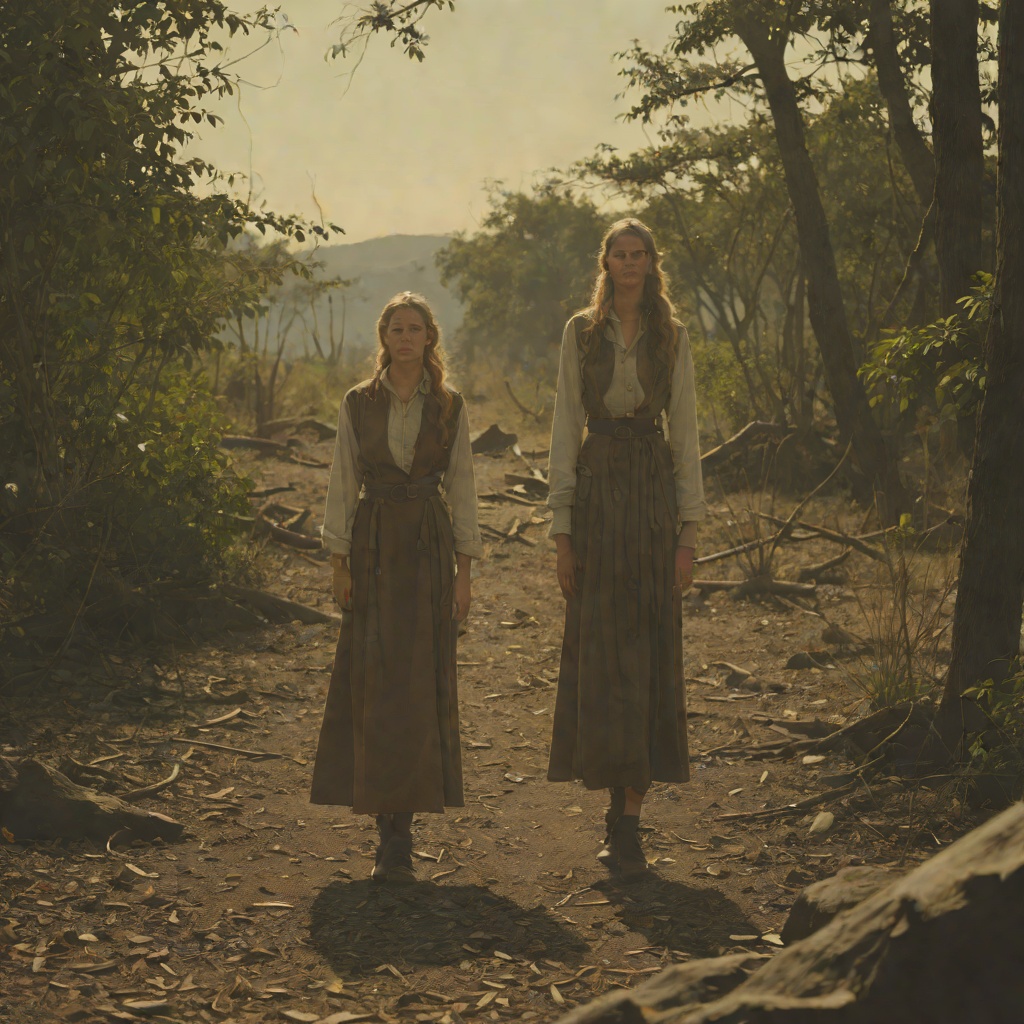
The ticket's true power was tested at the Russian frontier. At Versbolovo, the last station on the Russian side, a German physician and several gendarmes boarded the train and subjected the family to a searching examination. The result was devastating: they were informed that they would not be allowed to cross the frontier unless they exchanged their third-class steamer ticket for a second-class one, which would require two hundred rubles more than they possessed. Their passport was taken from them, and they were to be turned back. In that moment, the ticket, which had been the family's most treasured possession, became the symbol of their helplessness. They were homeless, houseless, and friendless in a strange place, their entire future hinging on a piece of paper that was suddenly not enough. The ticket, which had promised deliverance, had instead become the instrument of their potential ruin.
The Ticket's Legacy: From Passage to Transformation
The steamer ticket's significance did not end with the journey itself. It was the first in a series of objects that would define the family's Americanization. The ticket was the precursor to the American chairs and tin pans that shone glorious in their eyes, the first meal of food from tin cans, and the curious rocking-chair that they found five different ways of getting into. The ticket was the passport to a world where light was free, where the streets were as bright as a synagogue on a holy day, and where a brass band serenaded them soon after their installation on Union Place. It was the document that carried them to the land where Mary would stand before her classmates to praise George Washington, where she would eat ham at Miss Dillingham's tea, and where she would graduate from grammar school as the "smartest" girl in her class. The ticket was the first step on a path that led from the cramped, dark rooms of Polotzk to the crowded platform of the graduation hall, a journey that would remake the family entirely.